What Is 3D Secure?
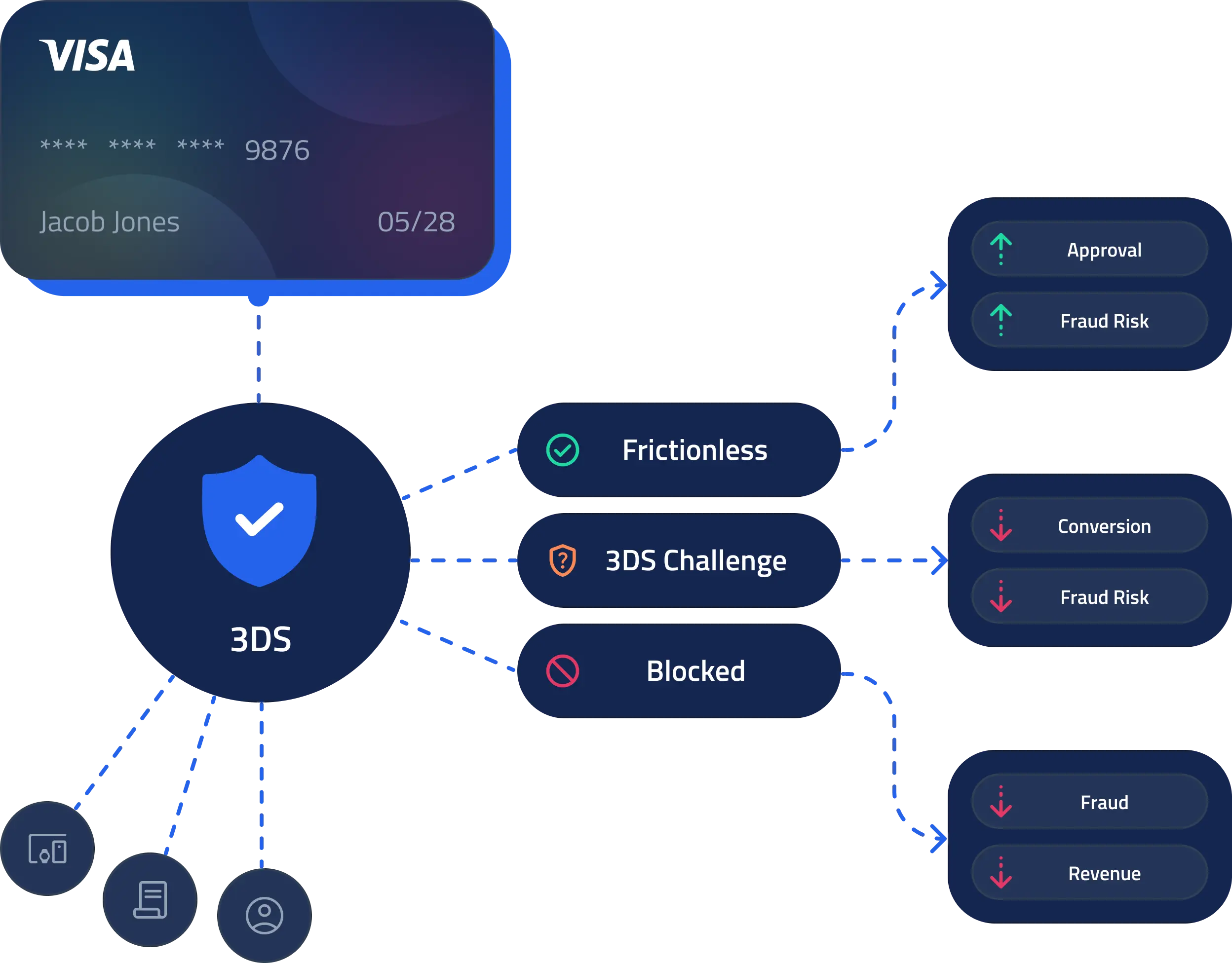
3D Secure is a card network authentication protocol that adds an extra verification step during checkout.
It’s branded as:
- Visa Secure
- Mastercard Identity Check
- American Express SafeKey
In addition to checking the credit card number, 3DS asks the cardholder to prove they are a legitimate user using a:
- One-time passcode
- Biometrics
- Banking app
When used correctly, 3DS:
- Reduces fraud
- Helps prevent chargebacks
- Can shift liability away from the merchant
How 3D Secure Works (In Simple Terms)
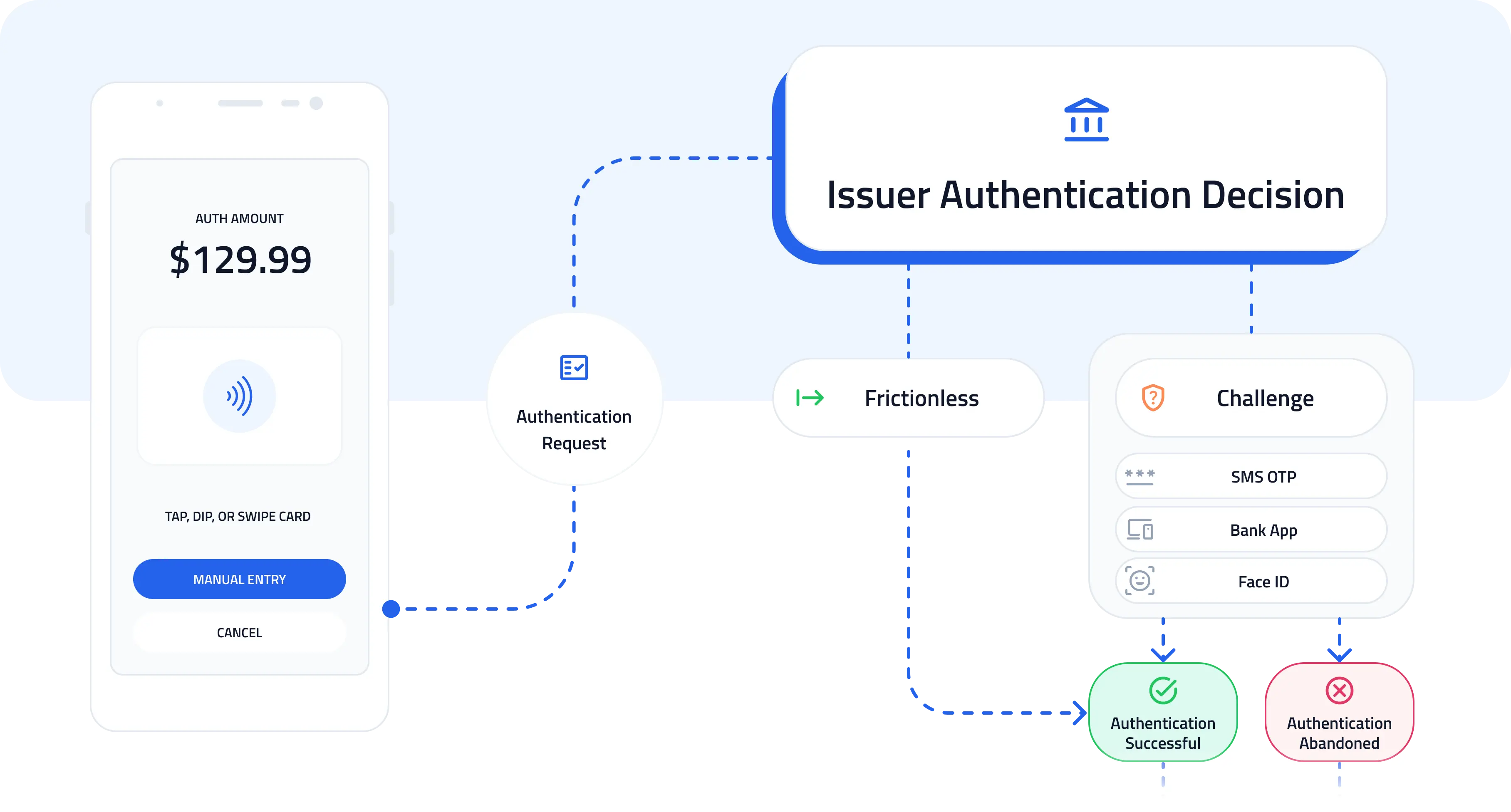
- The customer enters their card
- The transaction is sent for authentication
- The issuing bank decides:
- Frictionless flow (no challenge)
- Or challenge flow (OTP / biometric)
- The transaction is approved or declined
Modern 3DS (3DS 2.0) supports:
- Frictionless flows
- Mobile-native authentication
- Risk-based decisioning
Why 3D Secure Matters More Than Ever
Card networks and banks are increasingly strict about fraud and disputes.
High fraud or dispute rates can put you into:
- VAMP
- Visa monitoring programs
- Or result in account shutdowns
This is especially dangerous for high-risk merchants.
3DS is one of the most powerful tools to:
- Reduce fraud
- Protect your ratios
- Avoid network monitoring programs
The Biggest Mistake Merchants Make With 3D Secure
Forcing 3D Secure on every transaction.
This:
- Increases friction
- Lowers conversion
- Hurts approval rates
The correct approach is adaptive 3D Secure.
What Is Adaptive 3D Secure?
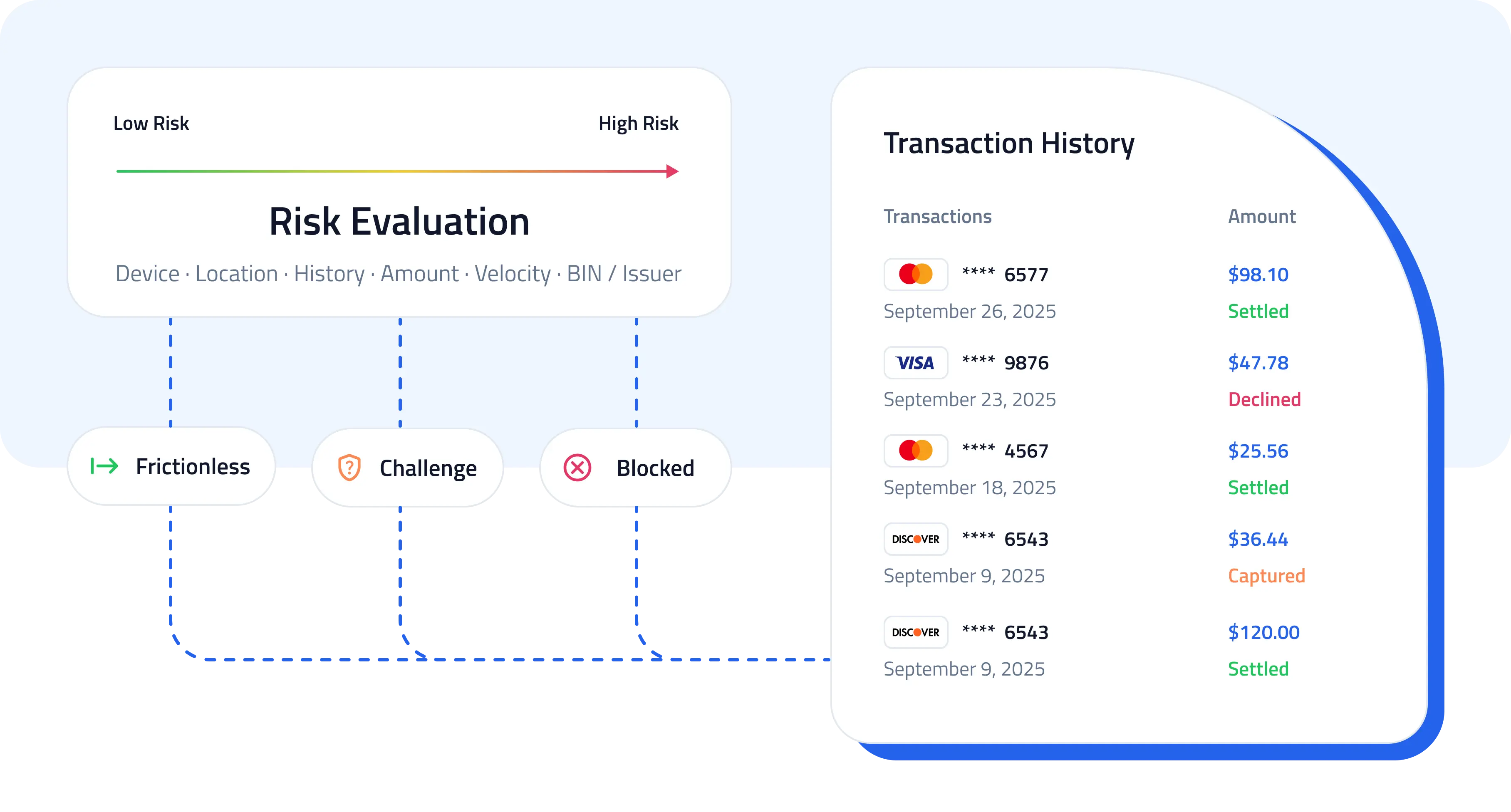
Adaptive 3DS means:
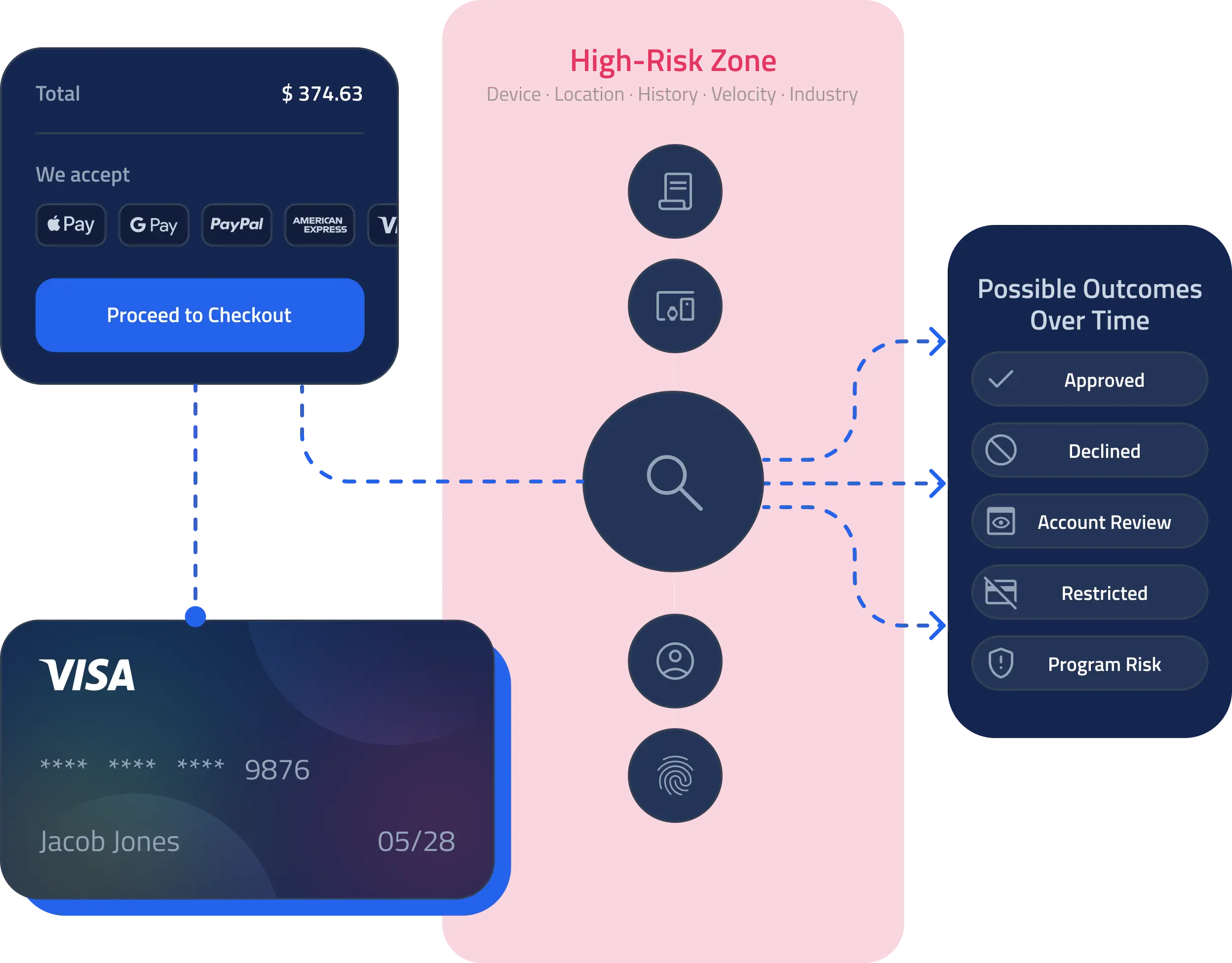
- Only challenging high-risk transactions
- Letting low-risk customers pass frictionlessly
Signals used:
- Device fingerprint
- BIN & issuer data
- Geo & velocity
- Past behavior
This approach:
- Keeps conversion high
- Reduces fraud
- Protects chargeback ratios
When Should You Use 3D Secure?
3D Secure is most valuable for:
- High-risk products
- Cross-border transactions
- New customers
- High-ticket items
- Card-not-present transactions
- Merchants close to VAMP thresholds
It is critical for:
- High-risk businesses
- Subscriptions
- Marketplaces
Does 3D Secure Reduce Chargebacks?
Yes — in three ways:
- It blocks real fraud
- It shifts liability on fraud disputes
- It discourages friendly fraud
This directly supports your chargeback prevention strategy.
3D Secure and Approval Rates
Bad implementations:
- Increase declines
- Kill conversions
- Frustrate customers
Good implementations using:
- Network data
- Smart routing
- Risk scoring
- And issuer signals
Can actually improve approval rates while reducing fraud.
How SeamlessPay Uses 3D Secure
SeamlessPay uses 3DS as part of a full payment optimization and risk engine.
You get:
- Adaptive 3DS decisioning
- Real-time fraud scoring
- BIN & issuer intelligence
- Smart routing (see routing guide)
- Deep integration with high-risk payment stacks
- Built-in chargeback prevention workflows
How to Roll Out 3D Secure Without Hurting Revenue
Step 1 — Audit Your Fraud & Disputes
Start with a payment performance audit.
Step 2 — Start With Adaptive Rules
Don’t blanket everything.
Step 3 — Monitor Conversion, Approval & Fraud Together
3DS must be tuned continuously.
Step 4 — Combine With Other Tools
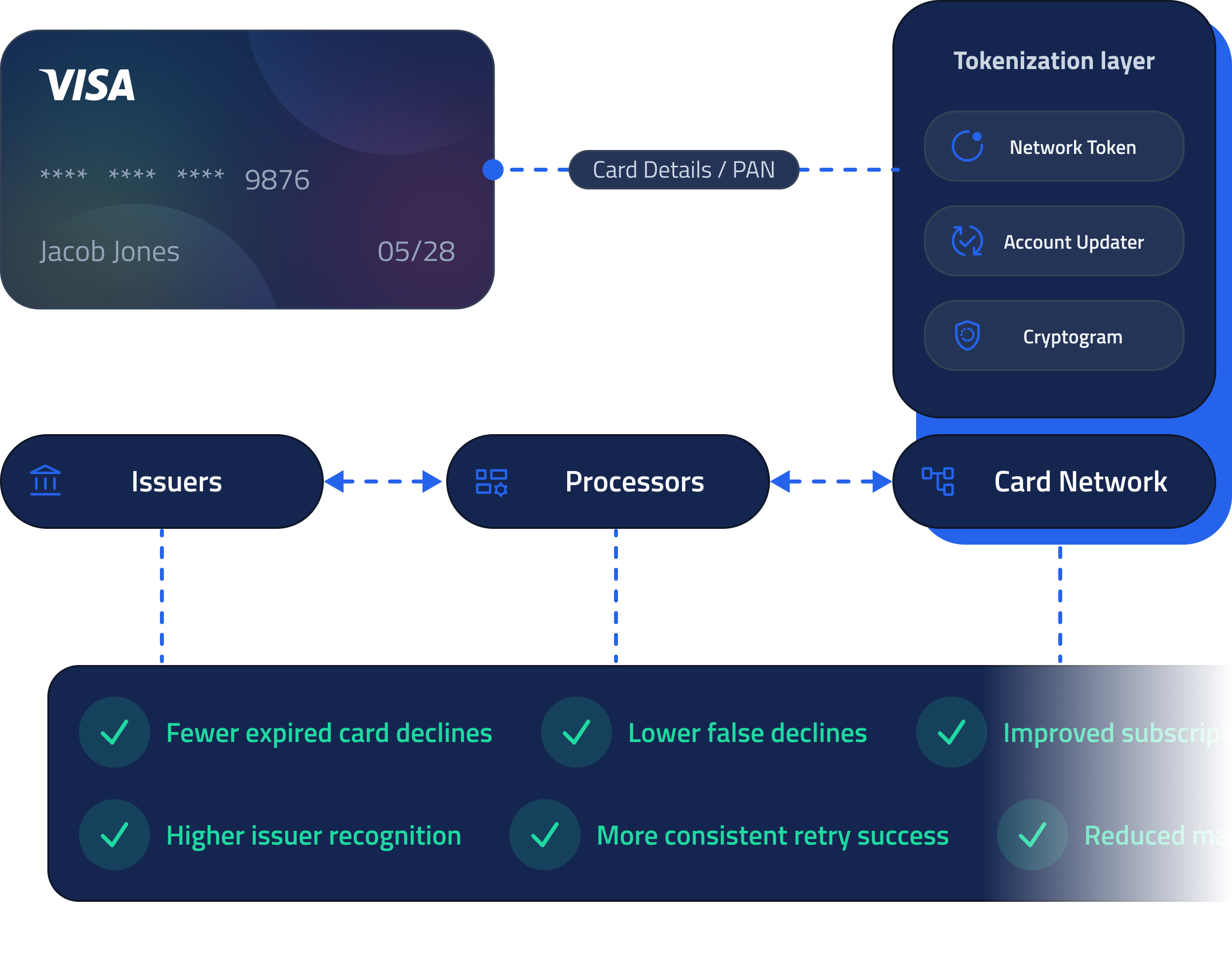
- Network tokens
- Smart routing
- Pre-dispute alerts (see Ethoca vs Verifi).