What Is a Chargeback?
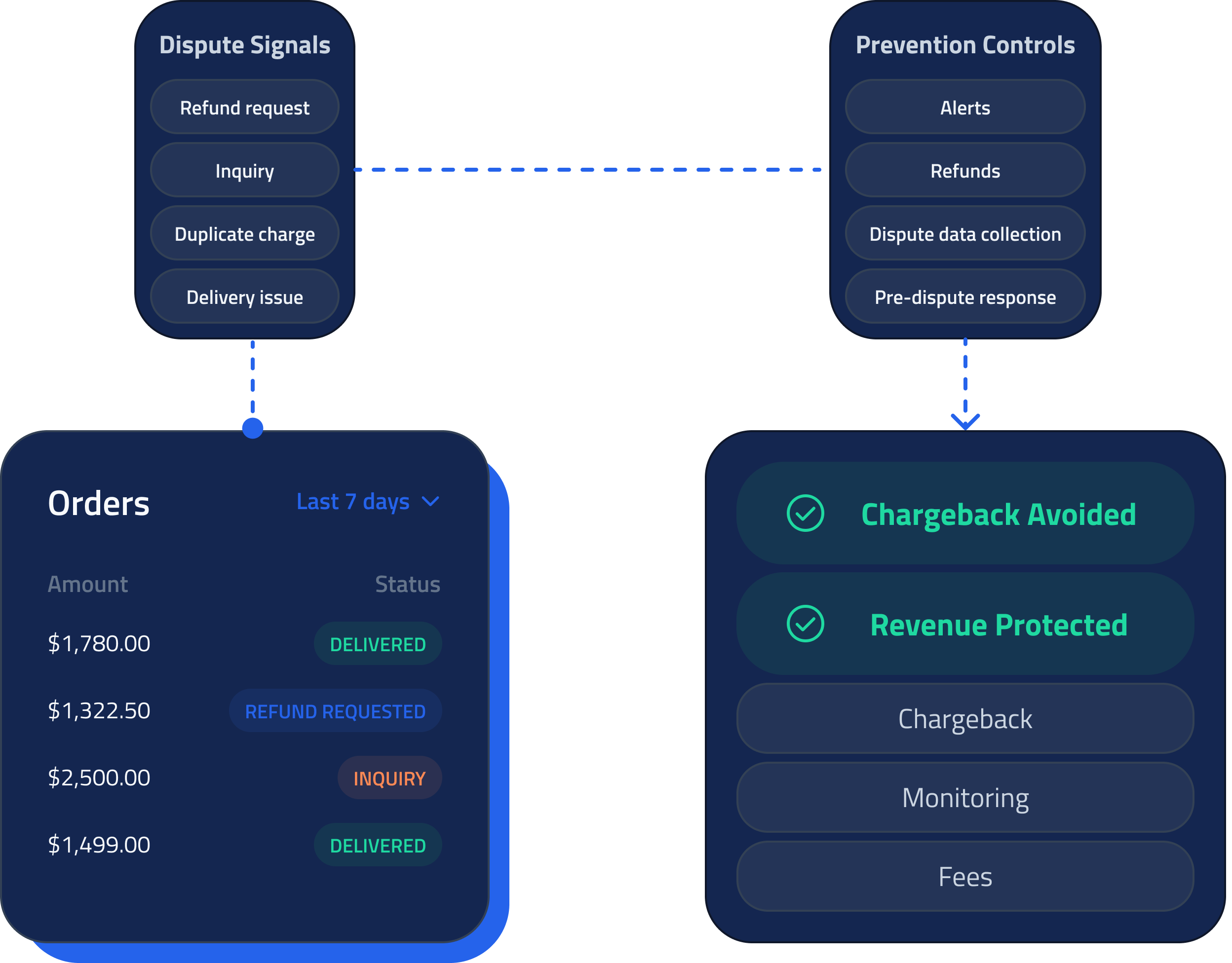
A chargeback happens when a cardholder disputes a transaction with their bank instead of asking the merchant for a refund.
While chargebacks were originally designed to protect consumers from fraud, today they are commonly caused by:
- Friendly fraud
- Confusion about billing descriptors
- Poor customer service or refund flows
- Delivery or fulfillment disputes
- Real fraud
Every chargeback costs you:
- The revenue from the transaction
- The product or service
- A dispute fee
And long-term damage to your risk profile
Why Chargebacks Are So Dangerous Today
Chargebacks no longer just cost money — they threaten your ability to accept payments at all.
If your ratios exceed card network thresholds, you can be placed into:
- Visa VAMP
- Visa Excessive or High Risk programs
- Mastercard High Fraud or High Chargeback programs
Once in these programs:
- Fees increase
- Approval rates drop
- Reserves are imposed
- Accounts get terminated
What Causes Chargebacks?
Understanding the root cause is the first step to prevention.
1. Fraud
- Stolen cards
- Account takeovers
- Card testing attacks
2. Friendly Fraud
- Customer forgets the purchase
- Family member used the card
- Subscription confusion
- Customer goes to the bank instead of you
3. Operational Issues
- Poor descriptors
- Slow shipping
- Weak refund policies
- Bad customer support
4. Technical Payment Issues
- Duplicate charges
- Retry logic gone wrong
- Authorization/capture timing issues
- Simplify Accounting and Reporting
Why Traditional Chargeback Management Fails
Most businesses focus on:
- Fighting chargebacks after they happen
But by the time a chargeback exists:
- You’ve already lost the money
- Your ratios already got worse
- The networks already counted it against you
Modern chargeback prevention focuses on:
- Stopping disputes before they become chargebacks
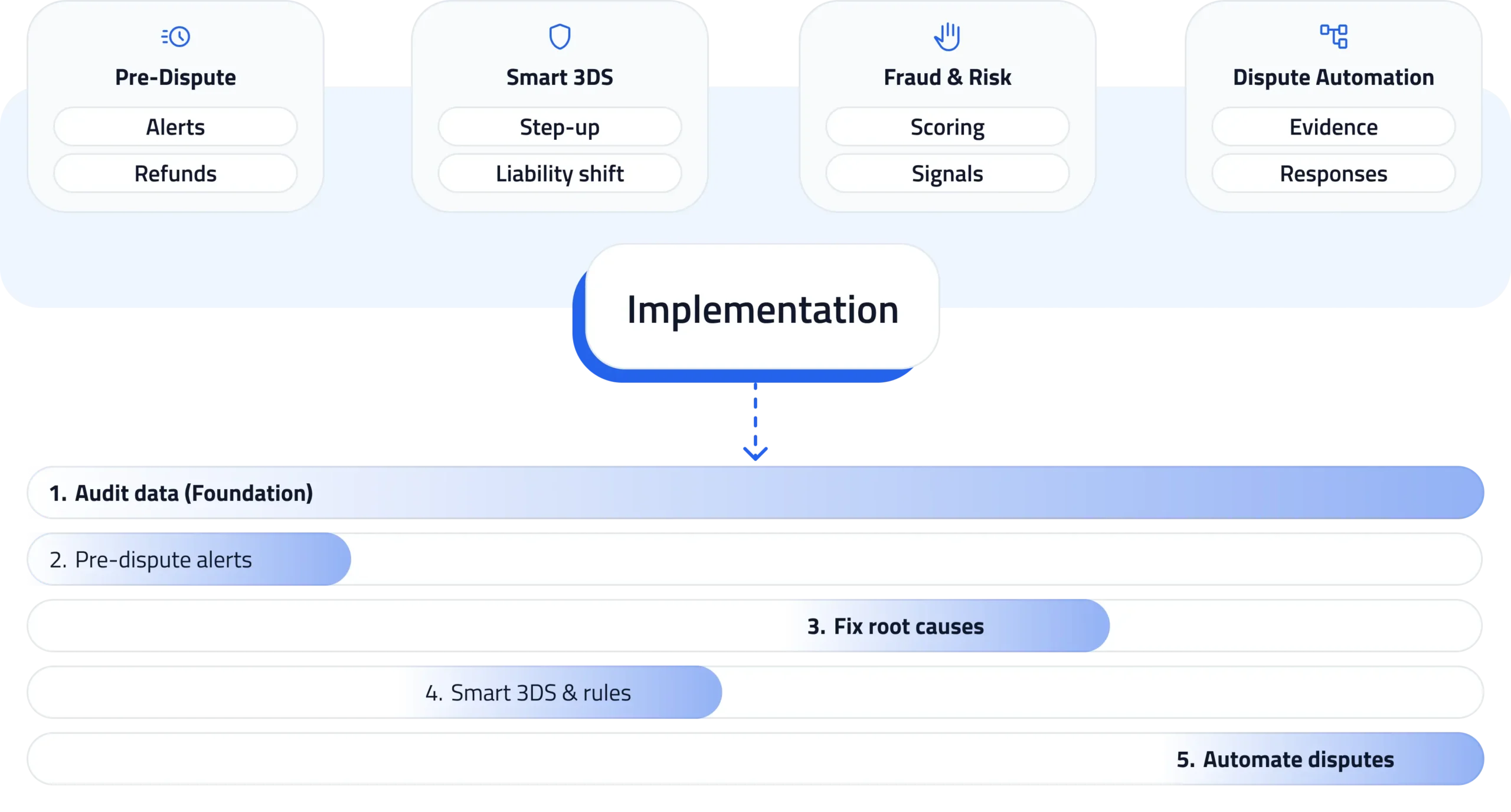
The 4 Pillars of Modern Chargeback Prevention
1. Pre-Dispute Deflection (Verifi & Ethoca)
Tools like:
- Verifi RDR (Visa Rapid Dispute Resolution)
- Ethoca Alerts
Allow you to:
- Detect disputes before they become chargebacks
- Refund or resolve them automatically
- Protect your ratios and monitoring thresholds
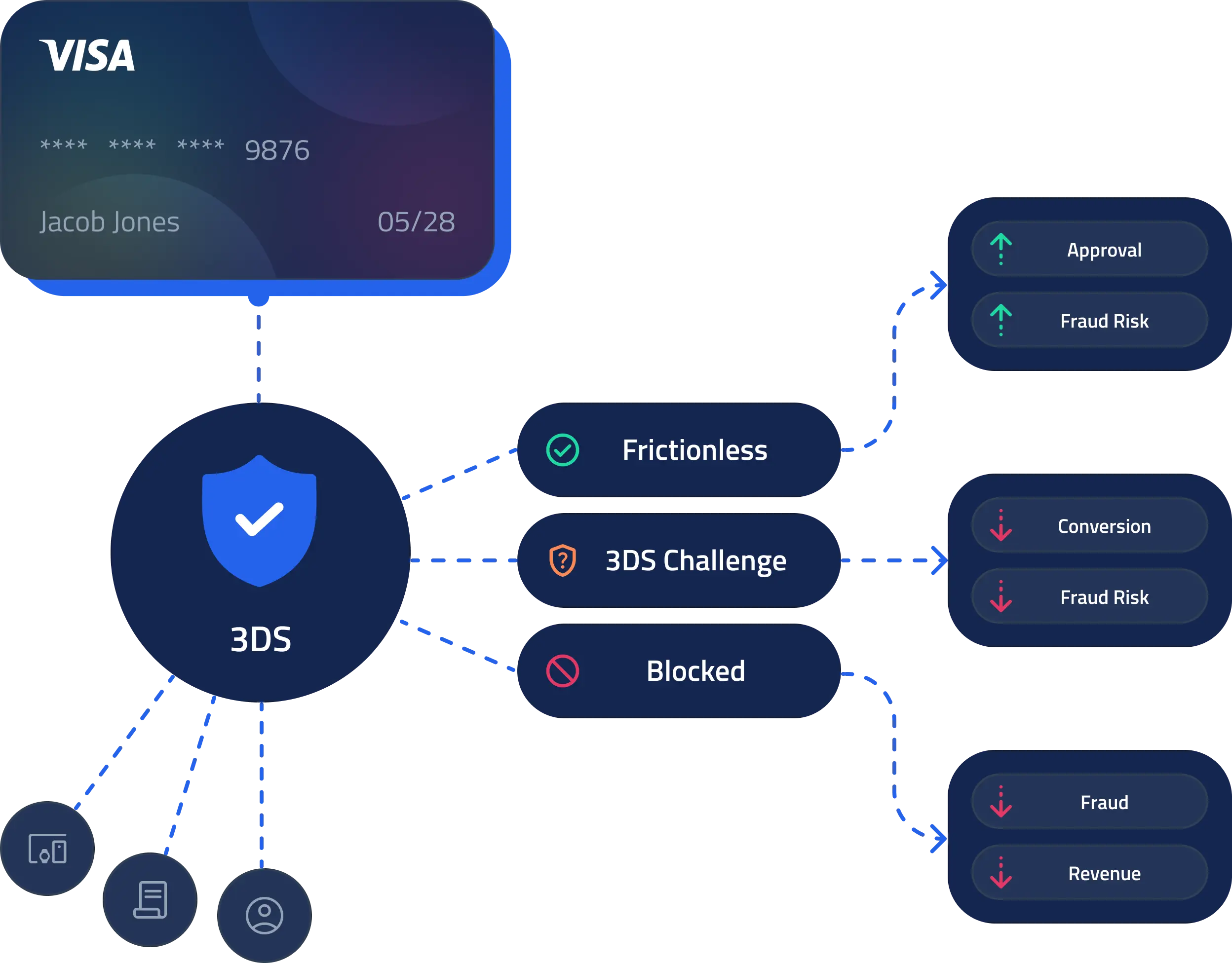
2. Smart Authentication (3D Secure)
Using adaptive 3D Secure:
- Step-up only risky transactions
- Shift liability on fraud disputes
- Reduce both fraud and friendly fraud
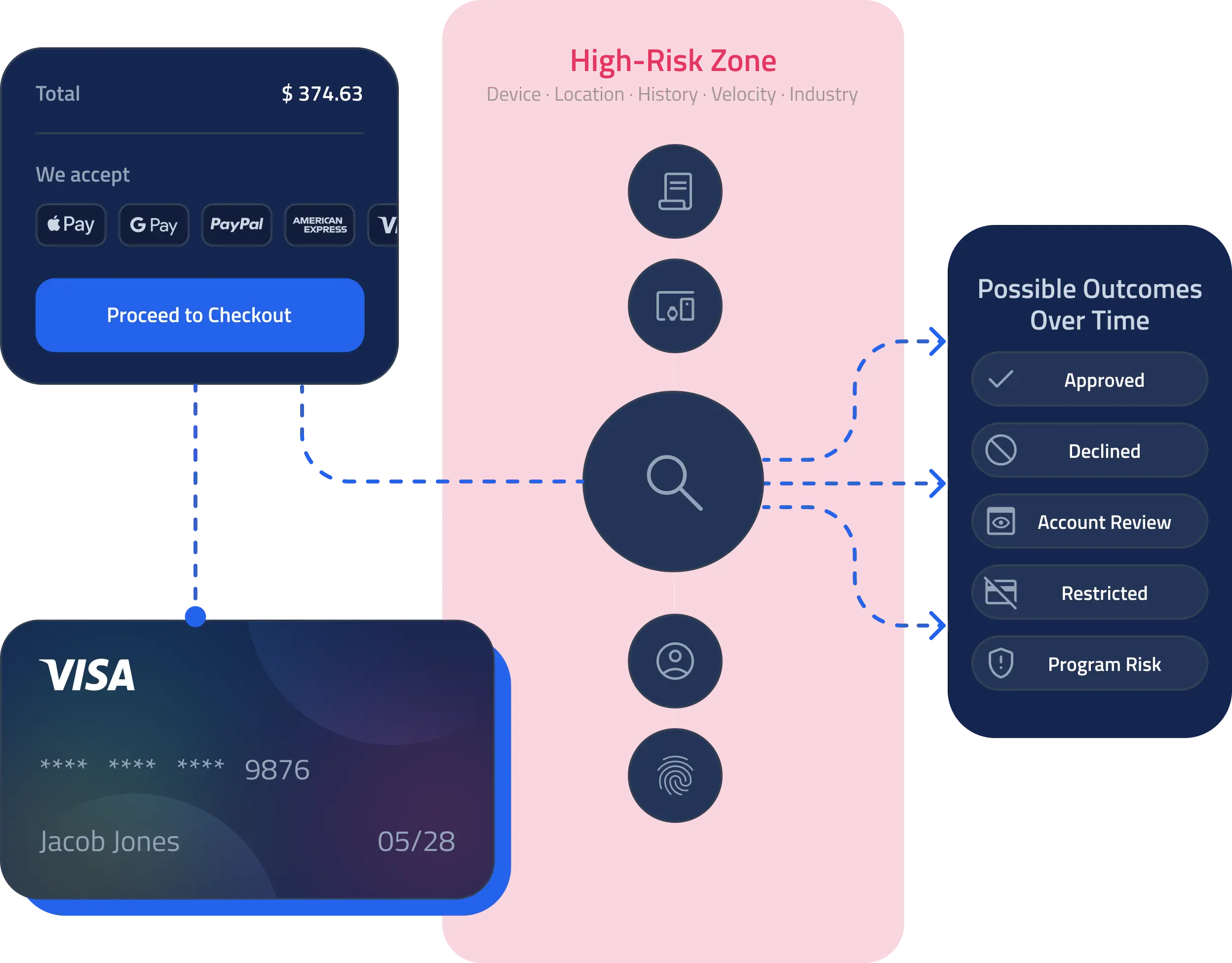
3. Better Fraud & Risk Decisions
Modern stacks use:
- Real-time fraud scoring
- BIN intelligence
- Velocity controls
- Geo & device fingerprinting
This prevents:
- Stolen card fraud
- Bot attacks
- Card testing
4. Dispute Automation & Evidence Quality
When disputes do happen:
- Respond automatically
- Use AI-generated evidence
- Tailor responses by reason code
- Maximize win rates
How to Reduce Chargebacks in 30–60 Days (Action Plan)
Step 1 — Audit Your Chargeback Data
Look at:
- Reason codes
- Issuers
- Products
- Traffic sources
Step 2 — Turn On Pre-Dispute Alerts
This is usually the fastest win.
Step 3 — Fix Your Top 3 Root Causes
Usually:
- Descriptors
- Refund flow
- Subscription clarity
Step 4 — Add Smart 3DS & Risk Rules
Don’t blanket everything. Be adaptive.
Step 5 — Automate Dispute Responses
Manual dispute handling does not scale.
How Many Chargebacks Are Too Many?
Most merchants should stay below:
- 0.65% dispute ratio (Visa safe zone)
- 0.9%+ = monitoring risk
- 1%+ = serious account termination risk
Chargeback Prevention Software: What to Look For
A real chargeback prevention platform should include:
- Verifi RDR + Ethoca
- Smart 3D Secure
- Fraud scoring
- Dispute automation
- Monitoring & alerts
- VAMP tracking
How SeamlessPay Helps Prevent Chargebacks
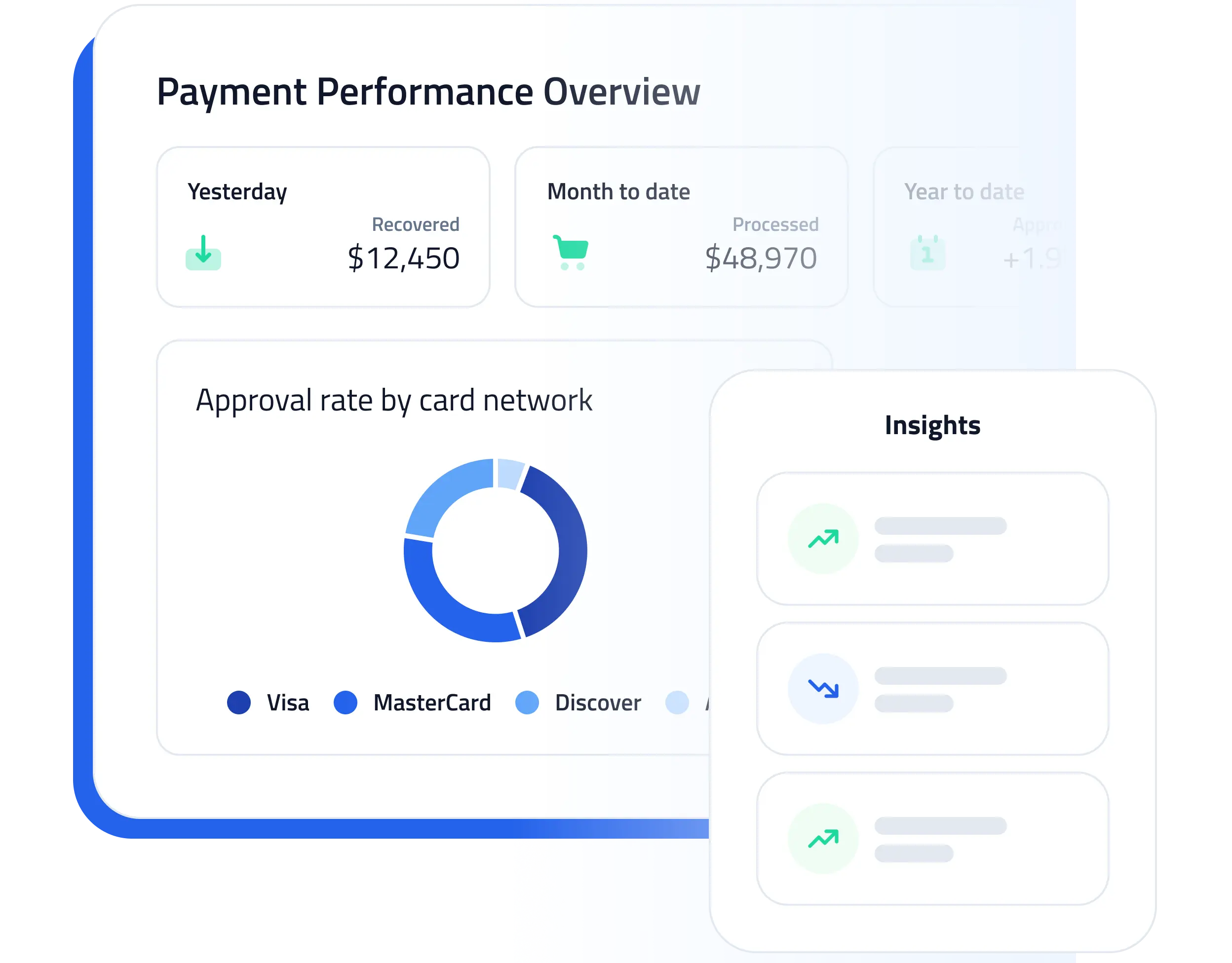
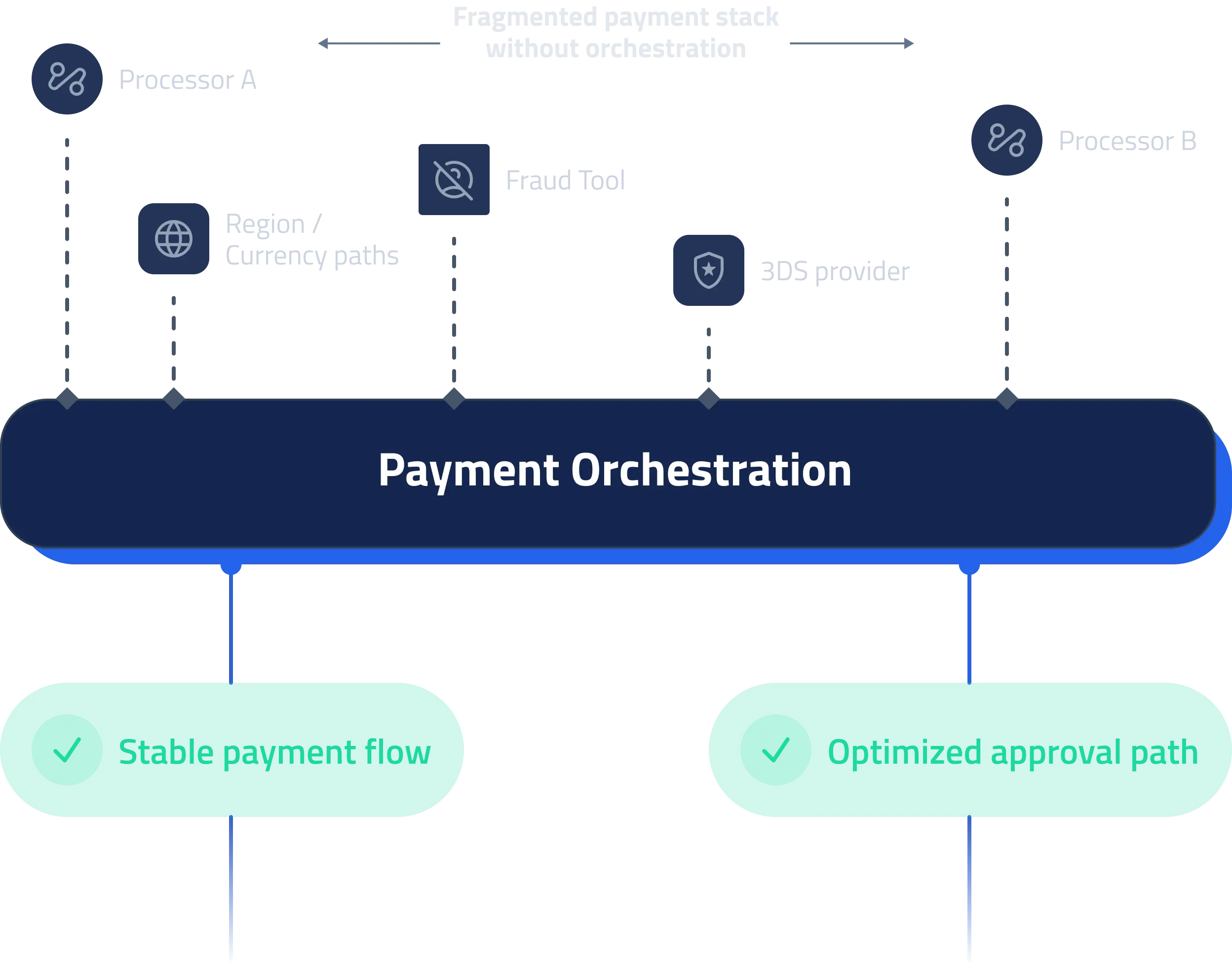
SeamlessPay is not just a dispute tool. It’s a payment performance and risk decision engine.
With SeamlessPay you get:
- Pre-dispute deflection (Verifi + Ethoca)
- AI-generated dispute responses
- Adaptive 3DS
- Real-time fraud scoring
- BIN & issuer intelligence
- VAMP monitoring and prevention
Most clients reduce chargebacks 20–50% in the first 60–90 days.